

The textile industry is one of the largest global sectors, yet it generates significant volumes of waste. Every year, millions of tons of textile residues are generated, ultimately ending up in landfills or incinerators. This waste carries a substantial environmental footprint, contributing to landfill accumulation and emissions.
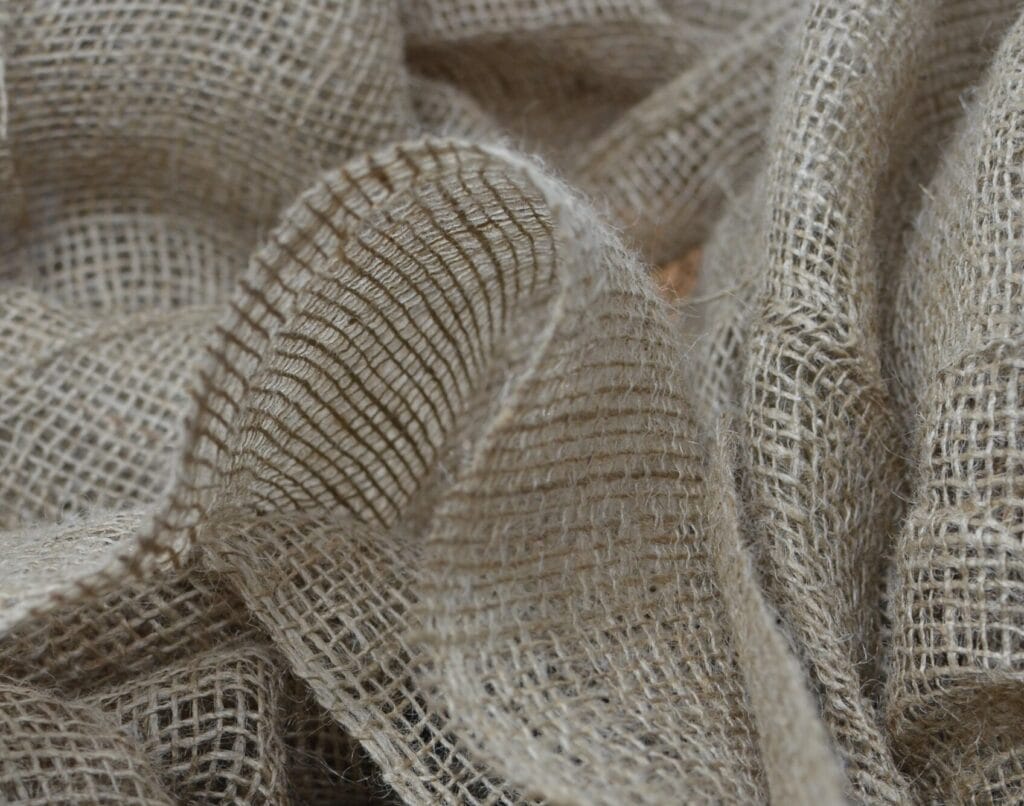
However, post-industrial and post-consumer textile waste can be strategically repurposed to manufacture new fabrics. This process—known as textile recycling or upcycling—delivers major strategic benefits: first, it helps reduce the amount of waste sent to landfills or incinerators; second, it saves energy and resources, as there is no need to produce new fibers; and third, it can create new textile products with unique characteristics.
There are several methods for recycling textile waste. One of the most common is shredding, which consists of breaking down the fabric into fibers. These fibers can be used to manufacture new fabrics, or for other textile products such as stuffing, carpets, or paper.
Another method of textile recycling is spinning, which consists of transforming fibers into yarn. This yarn can be used to weave new fabrics, or for other textile products such as ropes or sacks.
Textile recycling is a sustainable way to reduce waste and create new fabric products. As awareness of sustainability grows, textile recycling is likely to become a common practice.
Here are some examples of diverse uses for fabrics made from textile waste:
- Clothing: Fabrics made from textile waste can be used to manufacture new clothing, such as T-shirts, pants, dresses, or coats. These fabrics can have different characteristics, such as being more durable or breathable than traditional fabrics.
- Home Decor: Fabrics made from textile waste can be used to manufacture decor items, such as curtains, rugs, or cushions. These fabrics can have a unique and eye-catching appearance.
- Household Items: Fabrics made from textile waste can be used to manufacture household items, such as bags, towels, or tablecloths. These fabrics can be durable and resistant.
- Industrial Products: Fabrics made from textile waste can be used to manufacture industrial products, such as filters, insulation, or reinforcements. These fabrics can have specific properties that make them suitable for use in industrial applications.
Textile recycling represents a highly innovative approach to converting waste liabilities into valuable assets, delivering unique product characteristics alongside measurable environmental benefits for the global supply chain.
